
Where Manheim Township Previous Residents Appear
Earlier residents of a Manheim Township address are best researched with an era map, not a single name search. Lancaster County's recorded deed trail begins in 1729. The county's historic grantor and grantee index is documented for 1729-1980. Historical directories and census microfilm add date-specific household context, while maps help bridge land or road descriptions that do not match a modern address. Municipal building material can sometimes date a project, but township plans and applications have a separate owner-or-authorized-person release rule.
| Source | Verified years | Where held | What it contributes |
|---|---|---|---|
| Recorded deeds | From 1729 | Recorder of Deeds and Archives | Recorded transfers and land descriptions |
| Grantor and grantee indexes | 1729-1980 | County historical index and Infodex | Parties, book and page, deed date, recording date, property location |
| City and county directories | 1843-1922 | LancasterHistory and POWER Library | Name and address context when a volume includes the relevant area |
| County census microfilm | 1790-1930 | Lancaster Public Library | Dated historical household comparison |
| Historic maps | Warrants; 1824, 1864, 1875, 1899 | County Archives | Land and road continuity, not a modern-number key |
Start with the source closest to the year in question. A modern parcel record helps locate the recorded transfer. For an older question, a deed book reference and legal description often matter more than a street number. Each source can establish a narrow part of the story, so preserve its limitation alongside the finding.
The first county deed was recorded in 1729, the same year Lancaster County and Manheim Township were established. That long recorded-land history is useful, but the depth of a deed trail should not be mistaken for a list of everyone who lived at the property. A named party in a transfer has a different role from a person documented by a census, a dated directory, or an obituary. Keeping those roles separate makes the address history more accurate.
Tracing Manheim Township Previous Residents by Deed
The County Archives House History Guide gives the local sequence: begin with the property deed, work backward, then use the earlier party in the historic indexes. A deed is the framework for a home history because it connects named parties with a recorded land description. It is not a census of everyone at the location. The bridge into the deed system is the assessment parcel's deed reference or legal description, followed by a search of the Recorder's public route.
Lancaster County's Historical Deed Index documents the grantor and grantee series used for the early part of a Manheim Township address trail.
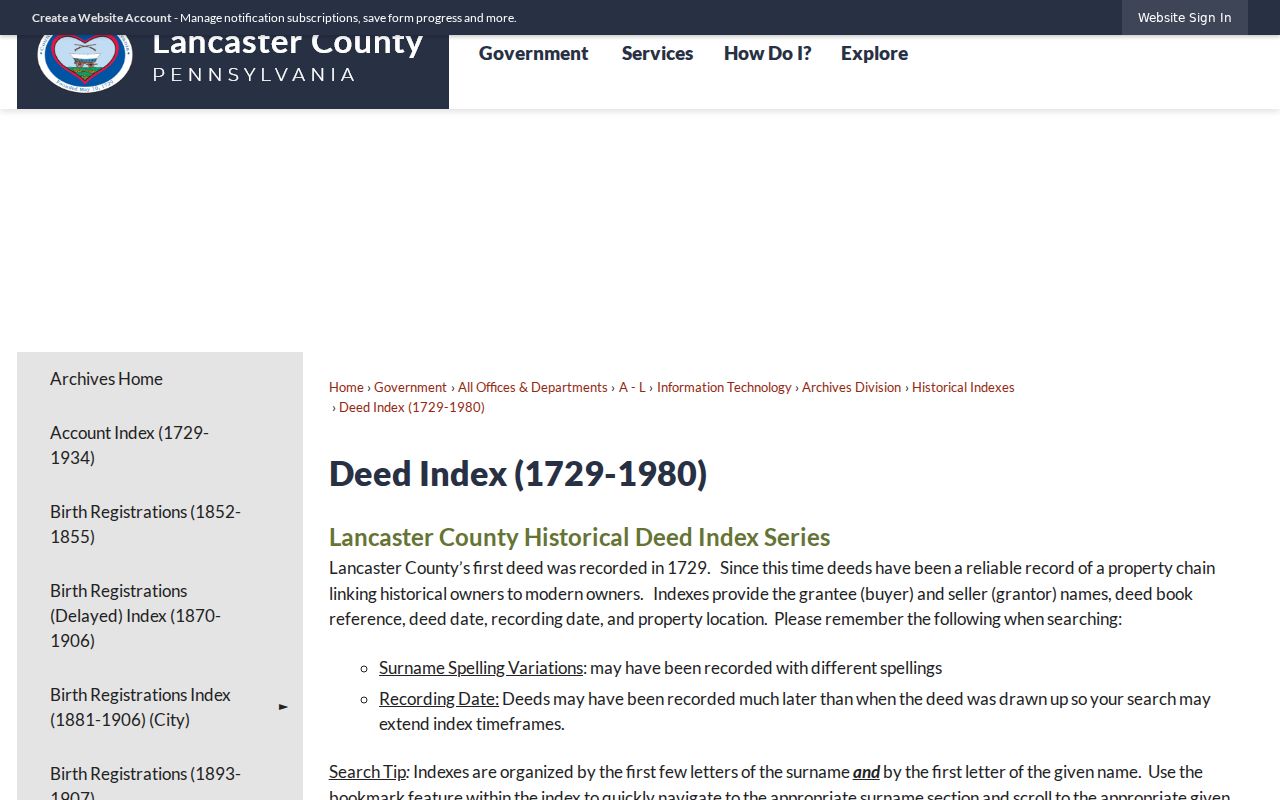
The historical index is a party-and-reference tool. Its book and page information points back to the deed image and the property description that must be compared from one transfer to the next.
- Use Lancaster County Property Tax Inquiry to identify the current parcel, municipality, and deed reference. The county advises street-name-only searching and choosing the township for common street names.
- Open the Recorder's Public Records Search as a guest, or use Online IQS Infodex when a book and page are known.
- Record the buyer, seller, deed date, recording date, book and page, and property description from the transfer.
- Search the prior seller as an earlier buyer, then compare the land description before repeating the sequence.
- Keep alternate spellings beside the entry. The historical index is organized by surname letters and the first letter of a given name.
Note: Recording can occur later than signing, so search on both sides of a proposed year boundary.
Manheim Township Deed Records Index
Lancaster County's historic index spans 1729-1980 in seven documented runs: 1729-1893, 1894-1925, 1926-1939, 1940-1953, 1954-1965, 1966-1975, and 1976-1980. The index supplies the party role, deed-book reference, deed and recording dates, and property location. Go To Document in the County's Infodex instructions uses a book letter and page when the reference is known. County conventions include no J or V deed-book volumes.
- Grantor
- The party transferring recorded land in a deed.
- Grantee
- The party receiving recorded land in a deed.
- Chain of title
- The successive recorded transfers for the same land, checked through party names and land descriptions.
- Legal description
- The recorded description of land, such as a tract, lot, block, acreage, adjoining owners, or road reference. It can outlast a street number.
Historic spelling needs patience. The Archives warns that old indexing can reflect how a clerk understood the name. Search surname variants, retain the exact form found, and use the book/page and land description to decide whether two entries belong to the same Manheim Township property.
The index is not a universal address search. Lancaster County documents browse paths for the grantor and grantee collections, so the practical route runs from the assessment parcel to a deed reference, then to named parties and the earlier index entry. If a search begins with a street number alone, an old tract, lot, acreage, subdivision, or adjoining-owner description may prevent a match. The recorded description is the continuity key.
Manheim Township Address Records Checks
Many past residents searches fail because the same place has more than one geographic label. A situs address is the physical parcel key. A mailing address is where correspondence goes and is not proof that someone occupies the parcel. The legal description and deed reference carry the land trail when an older deed uses a road, lot, tract, acreage, or adjoining owners instead of today's street number.
Manheim Township is municipal district 390. It is not Manheim Borough, which is district 400. Its postal designation may be Lancaster 17601 or Lititz 17543. Those labels are delivery information, not municipal proof. Lancaster City annexed land from Manheim Township between 1931 and 1952, leaving a particularly irregular southern boundary and township islands inside the city. Use the assessment Township/Municipality field and LanCo View parcel boundary before joining a historic record to the township.
The County did not document a township-wide street renumbering or renaming event in the reviewed sources. Do not fill that gap with an assumed date. Historic maps, the deed description, and the title page of a directory volume are the safer tools for an individual address.
Pairing Manheim Township Resident Records
After the recorded chain identifies the land and a target era, use the historical shelf to test a household pattern. LancasterHistory's digital Lancaster City and County directories cover 1843-1922. Lancaster Public Library holds county census microfilm from 1790-1930, plus city directories, newspapers, local histories, atlases, selected church and cemetery records, and yearbooks. A directory or census result is dated context, not a substitute for the recorded land description.
LancasterHistory's directory collection page documents the online city-and-county runs used as one layer of a Manheim Township address search.
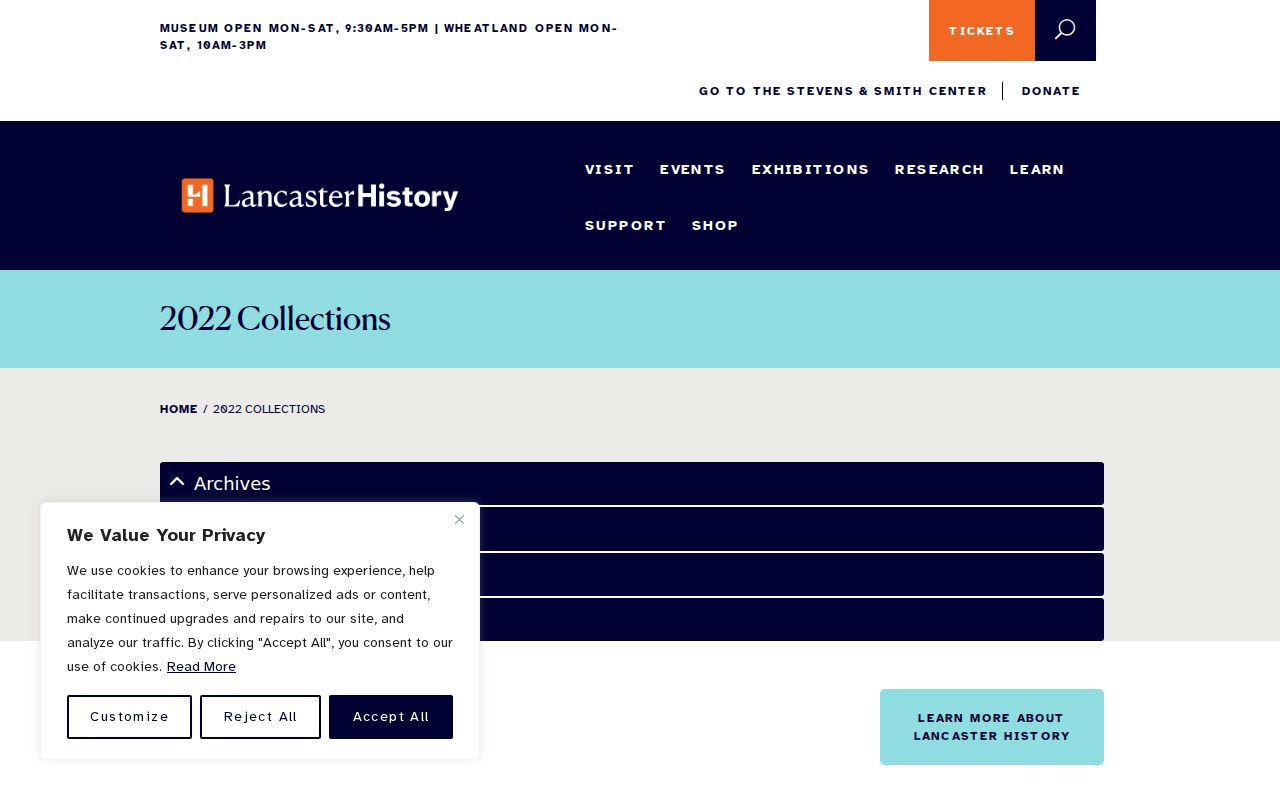
The collection is useful when the live volume's title page supports the area and date. It does not prove that every township household appears in the run.
- Choose a directory volume close to the recorded transfer or address period.
- Verify its geographic scope and copy the printed spelling, page, date, and address exactly.
- Check the nearest available federal census year at the library and log its date separately.
- Use newspapers, cemetery material, church records, or an obituary to test a move, death, or family link.
Collection details and entry-reading cautions remain with the Manheim Township city directories collection, so the backward trail stays focused on the address rather than repeating the shelf inventory.
Note: A name missing from one volume may reflect scope, a spelling variant, a move, or an omission.
Manheim Township Maps for Previous Residents
Lancaster Public Library Local History gives a local route for microfilm, newspapers, atlases, and the 1790-1930 census run. LancasterHistory adds historic maps including Sanborn material, county newspapers, church records, digitized newspapers, and a large library. County Archives lists historic map resources for eighteenth-century warrants and 1824, 1864, 1875, and 1899. These resources can explain land or road context before a modern address existed.
Lancaster Public Library's Local History collection is the source for its local directory, newspaper, atlas, and census holdings.
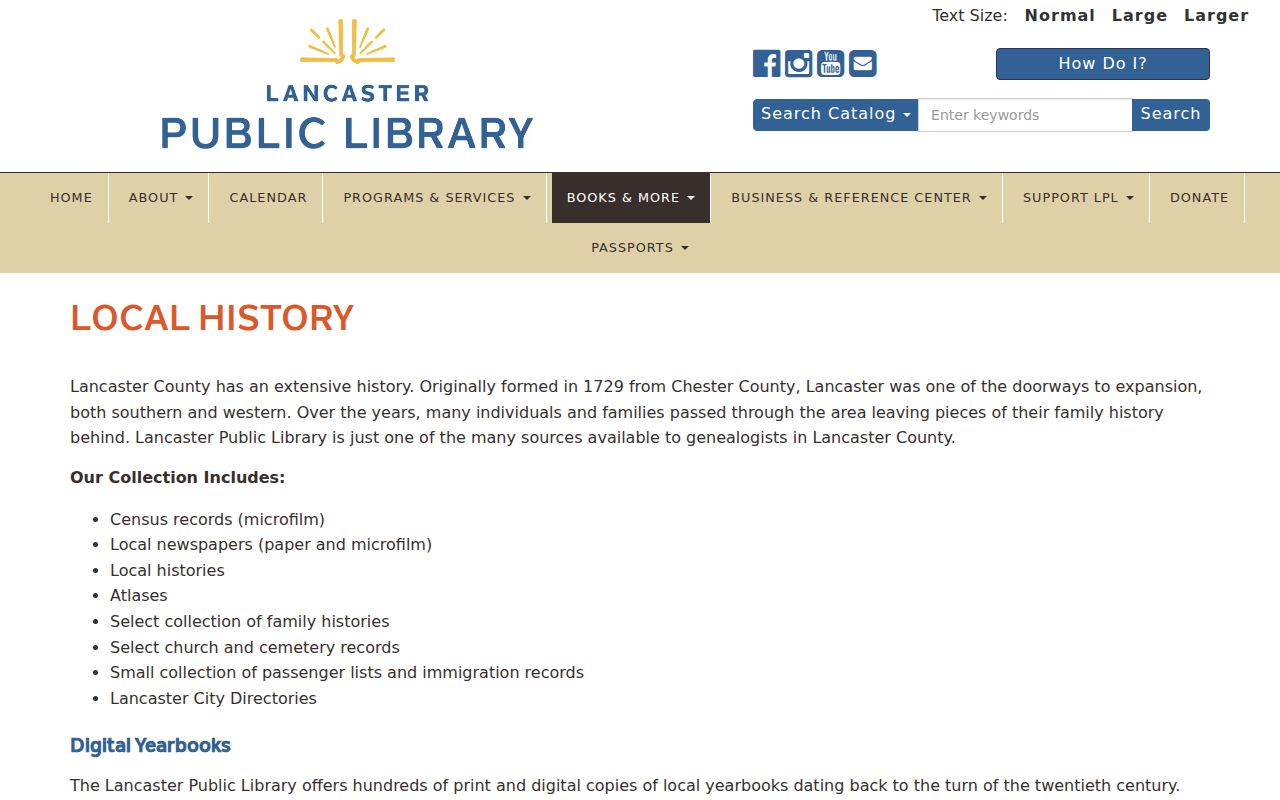
The library provides a practical in-person route when the online directory or recorded index leaves a household or place question unresolved.
Exact Manheim Township Sanborn sheet years and online links were not verified in the reviewed materials. Check the LancasterHistory catalog before stating that an individual property has a particular map sheet.
Manheim Township Earlier Resident Names
Older Lancaster County indexes require a name check as well as an address check. The County Archives warns that historic names can reflect the way a clerk interpreted them. The deed indexes are navigated by the first few surname letters and the first letter of a given name, so a spelling that looks familiar can still point to a different person or property. Keep every printed form, the party role, the book and page, and the property description in the research notes.
Compare a possible variant against the transfer date, municipality, legal description, and the next linked deed before joining it to a Manheim Township address trail. A matching surname alone is not enough. Directories, census material, probate, and newspapers can help test a historical connection, but each source should be dated separately. This local surname-variation caution is especially helpful for the earliest grantor and grantee volumes, where a modern spelling may not be the only route to the right index entry.
Note: Retain the spelling found in the record, then add a clearly labeled variant rather than silently changing an older index entry.
Closing Manheim Township Address Records
A finished address history should separate an owner from a historical household and distinguish each record date. Probate can supply a decedent or estate route through the Lancaster County Register of Wills probate search, which has a document and counter path. LancasterHistory reports that its Research Center can provide copies of historic county-government material, city records, and obituaries; its genealogy request service is limited to a single Lancaster County name.
For vital-record context, Pennsylvania birth certificates become public 105 years after birth and death certificates after 50 years under 35 P.S. § 450.804. Recent certificates are restricted to eligible applicants, and archival copies are non-certified. That record timing can establish an event context, but it does not authorize a search for private living-person information.
Lawful historical use. Use Manheim Township address-history material for family history, estate questions, property history, or civic research. Do not use address-linked records to stalk, harass, or harm anyone; Pennsylvania law addresses both stalking and harassment.